
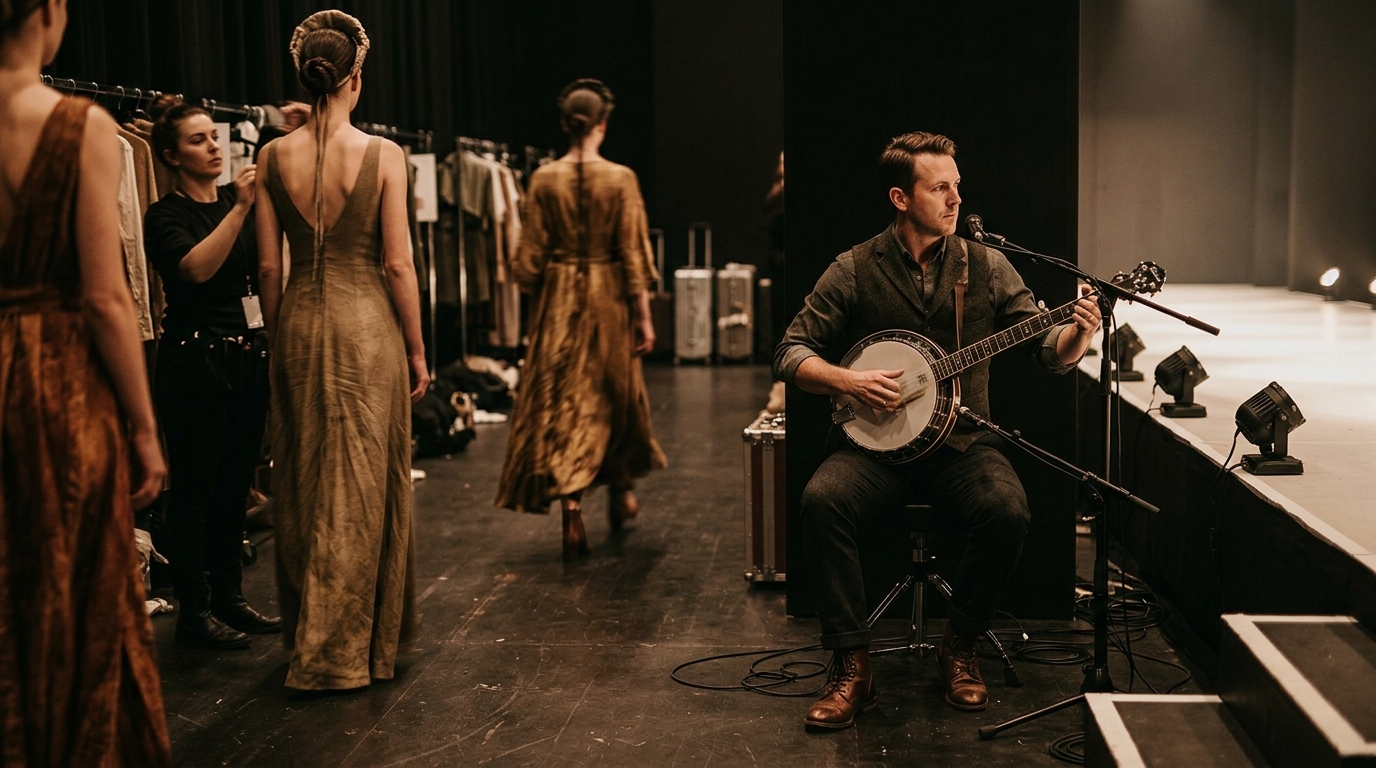
Live music for a fashion show is a curated sonic environment that synchronizes with the visual narrative of a collection. It is not merely background noise; it is a structural element that dictates the rhythm of the runway. This guide explores how tempo, genre, and thematic alignment create a cohesive experience. We examine the specific roles of live instrumentation, DJ setups, and ambient soundscapes in modern runway events. For additional details, review the MICHAEL RIX OFFICIAL WEBSITE.
Runway Pacing and Tempo
Tempo is the heartbeat of a fashion presentation. It determines how quickly models traverse the runway and how the audience perceives the energy of the show. A standard runway walk requires a specific beats-per-minute (BPM) range to ensure models can maintain their stride without rushing or dragging. Most contemporary fashion shows operate between 100 and 120 BPM. This range allows for a confident, steady gait that highlights the drape and movement of the garments. For additional details, review the BOOKING MICHAEL RIX.
When the tempo drops below 90 BPM, the show feels ceremonial and slow. This is often used for high-fashion or couture collections where the detail of the fabric is the primary focus. Conversely, tempos above 125 BPM create a high-energy, urgent atmosphere. This is common in streetwear or sportswear presentations. The music must remain consistent in tempo throughout a single look or a small group of looks to avoid disrupting the model's rhythm. Sudden tempo changes can cause models to stumble or break character, which detracts from the professional presentation.
Michael Rix, a banjo-driven country artist, has found that his live performances can be adapted to fit these pacing requirements. While traditional country music often sits around 110 BPM, live arrangements can be tightened or loosened to match the specific needs of a runway. The key is to select tracks or compose pieces that hold a steady pulse. This ensures that the visual and auditory elements remain synchronized from the first model to the last.
Structural Runway Pacing
Runway pacing is the strategic arrangement of musical dynamics to match the narrative arc of a collection. It is not just about speed; it is about the emotional journey of the audience. A typical show follows a structure that builds tension, releases it, and then builds it again. The opening looks often set the tone, requiring a strong, clear musical statement. The middle section of the show usually contains the bulk of the collection, where the music provides a steady, reliable backdrop. The finale requires a peak in energy or a dramatic shift in mood to leave a lasting impression.
The Opening Statement
The first three to five looks are critical. The music here must be distinct and memorable. It should immediately communicate the theme of the collection. If the collection is minimalist, the music should be sparse and clean. If the collection is maximalist, the music should be dense and layered. This initial musical cue helps the audience mentally prepare for the visual experience that follows.
The Steady Middle
The middle section of the show requires consistency. The music should not distract from the garments. It should provide a rhythmic foundation that allows the models to walk with confidence. This is where the concept of a "steady pulse" is most important. The music should be engaging enough to keep the audience attentive but not so complex that it competes with the visual details of the clothing.
The Finale
Ambient Soundscapes
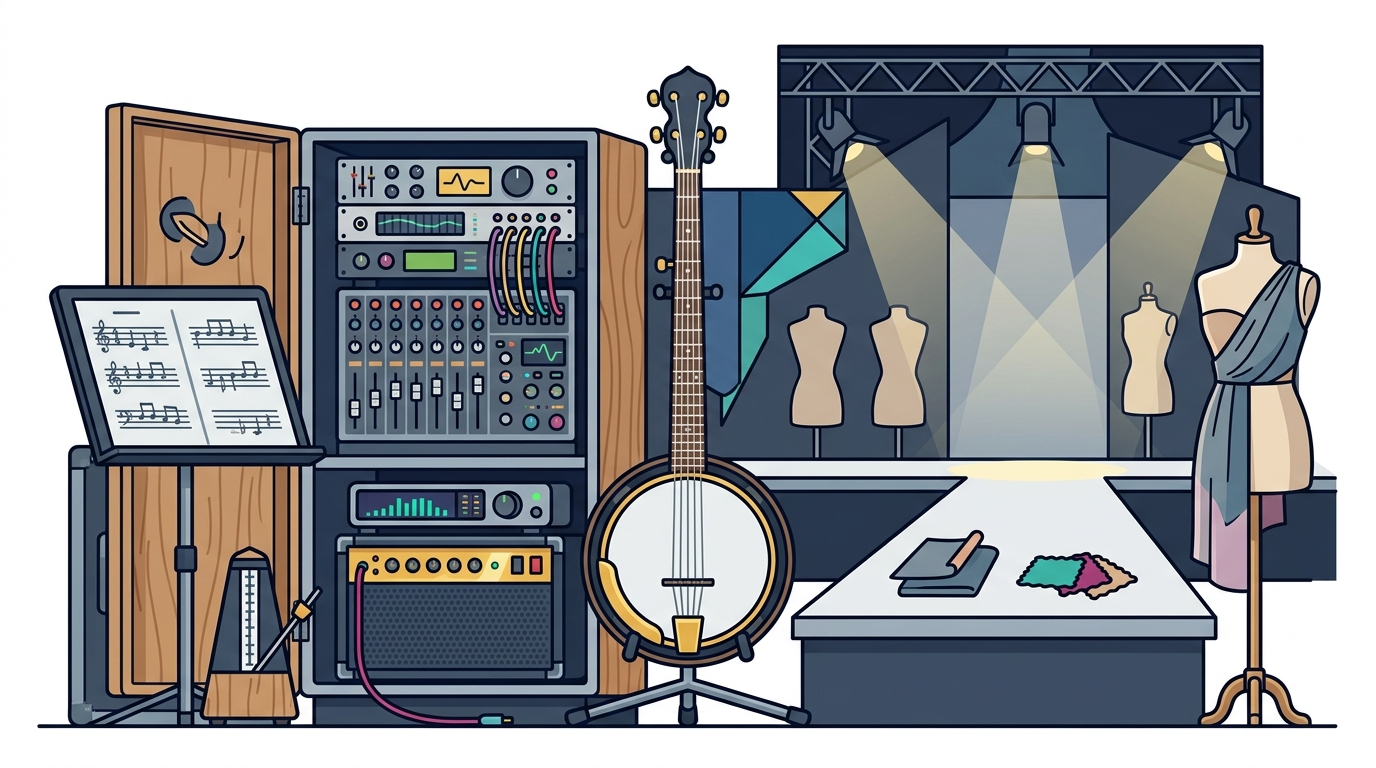
Using ambient soundscapes allows for a more immersive experience. The audience is not just watching a show; they are entering a world created by the designer. This approach is particularly effective for avant-garde or conceptual collections. The lack of a strong beat allows the audience to focus on the details of the garments and the overall atmosphere of the venue. However, ambient soundscapes require careful curation. They can easily become monotonous or confusing if not structured properly. The transition between different ambient layers must be smooth and intentional.
For artists like Michael Rix, ambient elements can be incorporated into live performances by using reverb, delay, and other effects to create a sense of space. This allows the banjo to take on a more atmospheric role, blending with the visual environment of the runway. The result is a unique sonic texture that is both familiar and otherworldly.
Live DJ Setups
Live DJ setups are the most common form of music for fashion shows. They offer flexibility and the ability to adapt to the flow of the show in real time. A skilled DJ can read the room and adjust the music to match the energy of the audience and the models. This adaptability is a key advantage of using a live DJ over a pre-recorded track. The DJ can also seamlessly transition between different genres and tempos, allowing for a dynamic and varied musical experience.
However, live DJ setups require a high level of technical proficiency. The DJ must be familiar with the specific tracks they are using and be able to mix them smoothly. They must also be able to communicate with the stage manager and the designer to ensure that the music aligns with the visual narrative. A miscommunication can lead to a disjointed show, where the music and the visuals are out of sync. This is why it is important to work with a DJ who has experience in fashion shows and understands the specific requirements of the medium.
Instrumental Genres
Country and Bluegrass
Country and bluegrass are often overlooked in the context of fashion shows. However, they can be incredibly effective when used in the right context. The banjo, in particular, has a bright, percussive sound that can add energy and personality to a show. Michael Rix, a banjo-driven country artist, has successfully used his live performances to create a unique and memorable experience for fashion events. His music blends traditional country and bluegrass with contemporary influences, creating a sound that is both familiar and fresh.
Electronic and Ambient
Jazz and Soul
Jazz and soul bring a sense of sophistication and emotion to a fashion show. The improvisational nature of jazz allows for a dynamic and unpredictable musical experience. The soulful vocals and rich harmonies of soul music can add a layer of depth and feeling to the show. These genres are well-suited for collections that focus on elegance, heritage, or emotional storytelling. They can create a warm, inviting atmosphere that engages the audience on a personal level.
Collection Theme Alignment
Collection theme alignment is the process of ensuring that the music matches the visual and conceptual narrative of the collection. It is the most critical aspect of selecting music for a fashion show. The music should not just be pleasant; it should reinforce the message of the collection. If the collection is about rebellion, the music should be aggressive and edgy. If the collection is about tranquility, the music should be calm and soothing. The music should act as a mirror to the visual narrative, reflecting and amplifying the designer's intent.
Michael Rix has worked with designers to align his music with their specific themes. For example, his collaboration with Jeff Garner and his sustainable eco label Prophetik at London Fashion Week 2023 was a perfect example of theme alignment. The collection focused on sustainability and the connection between humans and nature. Rix's banjo-driven country music, with its roots in traditional folk and nature-inspired themes, was a natural fit for the collection. The music reinforced the message of the collection, creating a cohesive and powerful experience for the audience.
When selecting music for a fashion show, it is important to consider the following factors:
- The mood and tone of the collection
- The target audience of the brand
- The venue and its acoustics
- The length and structure of the show
- The specific needs of the models and the stage manager
Key Takeaways
- Tempo is the heartbeat of a fashion show, typically ranging from 100 to 120 BPM for a standard runway walk.
- Runway pacing involves a strategic arrangement of musical dynamics to match the narrative arc of the collection.
- Ambient soundscapes create an immersive atmosphere, allowing the audience to focus on texture and mood.
- Live DJ setups offer flexibility and adaptability, but require high technical proficiency and clear communication.
- Instrumental genres like country, electronic, and jazz provide a pure emotional and rhythmic foundation without the distraction of lyrics.
- Collection theme alignment is the most critical aspect of selecting music, ensuring that the music reinforces the visual narrative.
- Live performers like Michael Rix bring a human element and authenticity that can engage the audience in a unique way.
- The music should act as a mirror to the visual narrative, reflecting and amplifying the designer's intent.
Frequently Asked Questions
What is the ideal tempo for a fashion show?
The ideal tempo for a fashion show is typically between 100 and 120 BPM. This range allows models to maintain a confident, steady gait that highlights the drape and movement of the garments. The specific tempo should be adjusted based on the mood and tone of the collection.
Can live music be used for a fashion show?
Yes, live music can be used for a fashion show. Live performers bring a human element and authenticity that can engage the audience in a unique way. Artists like Michael Rix have successfully used their live performances to create a memorable experience for fashion events.
How does ambient music differ from traditional music in a fashion show?
Ambient music focuses on creating a specific atmosphere without relying on traditional melody or rhythm. It is often used in fashion shows that focus on texture, material, and mood rather than movement. Ambient music can evoke a sense of space, time, or emotion that complements the visual aesthetic of the collection.
What is the role of a DJ in a fashion show?
The role of a DJ in a fashion show is to provide a flexible and adaptable musical backdrop. A skilled DJ can read the room and adjust the music to match the energy of the audience and the models. They must also be able to communicate with the stage manager and the designer to ensure that the music aligns with the visual narrative.
How do you align music with a collection's theme?
You align music with a collection's theme by ensuring that the mood, tone, and style of the music match the visual and conceptual narrative of the collection. The music should reinforce the message of the collection, acting as a mirror to the visual narrative. This requires careful consideration of the target audience, the venue, and the specific needs of the show.
Why is tempo important in a fashion show?
Tempo is important in a fashion show because it determines how quickly models traverse the runway and how the audience perceives the energy of the show. A consistent tempo ensures that the visual and auditory elements remain synchronized, creating a cohesive and professional presentation.