
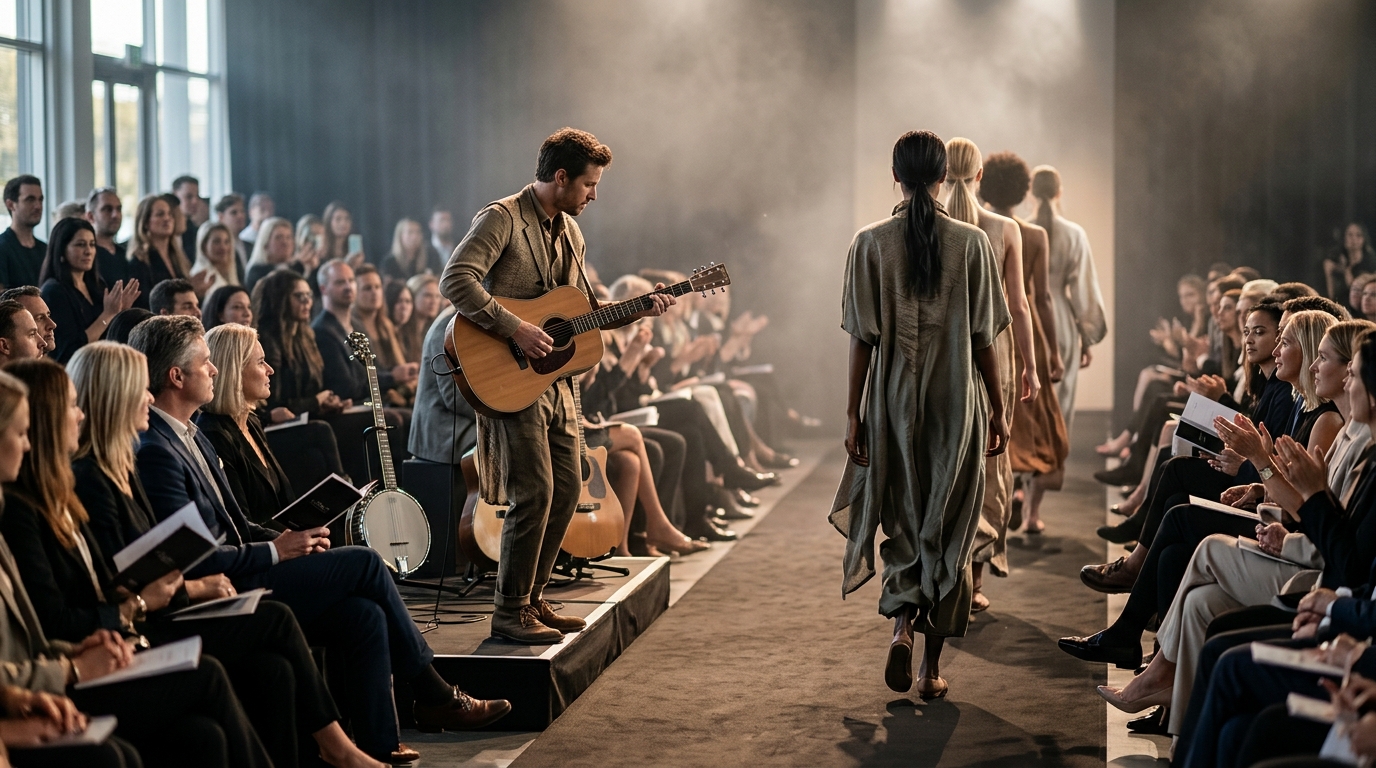
Live music for fashion shows is a curated sonic experience that synchronizes tempo, volume, and genre with the physical movement of models and the narrative of the collection. It is not merely background noise; it is a structural element that dictates the pace of the walk and the emotional resonance of the reveal. This guide explores how artists like Michael Rix, a Nashville-based banjo country artist, integrate live instrumentation into high-profile events such as London Fashion Week. We examine the technical requirements of runway pacing, the role of ambient soundscapes, and the strategic alignment of musical themes with fashion collections.
Runway Pacing and Tempo
Runway pacing tempo is the specific beats-per-minute (BPM) calibration required to synchronize a model's stride with the musical beat. In professional fashion events, the standard walk tempo typically ranges between 100 and 120 BPM. This range allows for a confident, rhythmic stride that is visible to the audience without appearing rushed or sluggish. If the tempo is too fast, models may stumble or appear frantic. If it is too slow, the energy of the show dissipates, and the audience may lose engagement.
Tempo Variations for Different Walks
Not all runway walks require the same tempo. A standard catwalk may require a steady 110 BPM, while a high-fashion editorial walk might demand a slower, more deliberate 90 BPM to emphasize the drape and movement of the fabric. Conversely, a streetwear or sportswear collection might benefit from a faster, 125 BPM tempo to convey energy and motion. Live musicians must be adaptable. They often receive a tempo sheet from the production team, outlining the BPM for each segment of the show. This allows the performer to shift gears seamlessly as the collection transitions from one theme to another.
Structural Runway Pacing
Structural runway pacing refers to the macro-level timing of the entire show, including the intervals between model entries, the duration of each look, and the timing of the finale. A typical fashion show lasts between 15 and 30 minutes. During this time, the music must provide a continuous narrative arc. It should build in intensity, peak during the finale, and resolve cleanly at the end. This structure requires the music to be composed or arranged in segments that align with the production schedule.
The Role of the Finale
The finale is the most critical moment of the show. It is when all models return to the runway for a group bow. The music must reach its climax at this point, providing a powerful, memorable conclusion. For a banjo country artist, this might involve a high-energy instrumental break that showcases technical skill and energy. The finale should leave the audience with a lasting impression, reinforcing the brand’s identity and the collection’s theme. A well-executed finale can elevate the entire show, turning a standard presentation into a memorable cultural event.
Ambient Soundscapes and Atmosphere
Ambient soundscapes are the background audio layers that create the overall atmosphere of the event space. In fashion shows, ambient sound is used to set the mood before the models enter and to fill the silence between looks. It can range from subtle, ethereal textures to bold, rhythmic pulses. The goal is to create an immersive environment that draws the audience into the world of the collection. Ambient sound should be unobtrusive, allowing the music to take center stage when the models are on the runway.
For live performances, creating an ambient soundscape requires a different approach than playing a full song. The musician may use effects pedals, reverb, or delay to create a wash of sound that fills the space. Michael Rix, for example, might use his banjo to create a shimmering, atmospheric texture by playing soft, sustained notes with heavy reverb. This technique transforms the banjo from a percussive instrument into a source of ambient sound. It allows the musician to control the atmosphere of the room, shifting from quiet, contemplative moments to high-energy bursts as the show progresses.
Acoustic Considerations
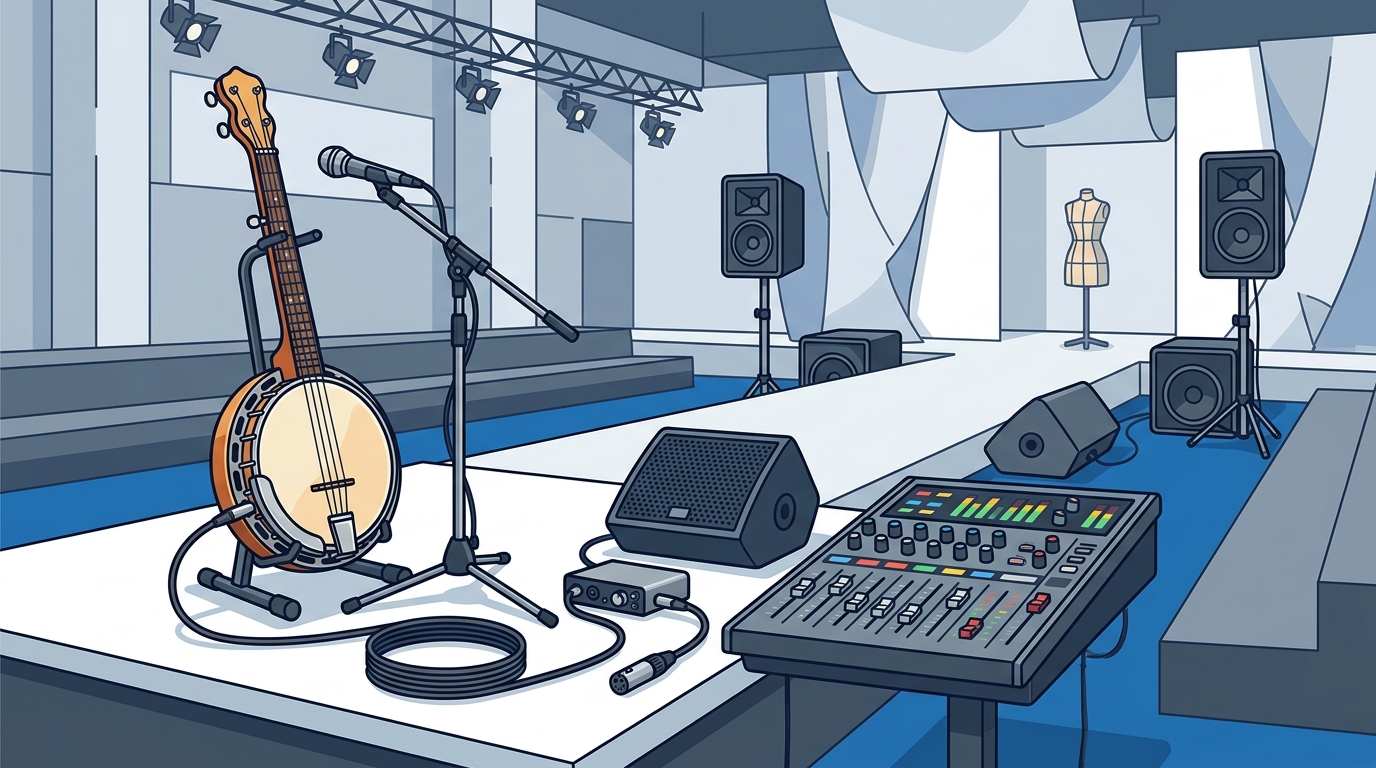
The acoustics of the venue play a significant role in how ambient sound is perceived. Fashion shows are often held in large, open spaces with hard surfaces that can cause echoes and feedback. Live musicians must work closely with the sound engineer to ensure that their instruments are mixed appropriately for the room. This may involve using in-ear monitors to hear themselves clearly, or adjusting the gain structure to prevent feedback. The goal is to achieve a balanced mix that is clear and present, without overwhelming the audience or causing technical issues.
Live DJ Setups vs. Live Instrumentation
Live DJ setups are the most common form of music for fashion shows. DJs use turntables, CDJs, or digital controllers to mix pre-recorded tracks. This approach offers precise control over tempo and volume, as well as the ability to switch between genres seamlessly. However, it lacks the human element of live instrumentation. A DJ is a selector, not a performer. The music is pre-made, and the DJ’s role is to curate and mix it. While effective, this approach can feel impersonal and generic, especially in a world where high-quality music is easily accessible.
Live instrumentation, on the other hand, offers a unique, one-of-a-kind experience. The music is created in real-time, with all the imperfections and nuances that come with human performance. This adds a layer of authenticity and energy that a DJ setup cannot replicate. Michael Rix’s banjo performances bring a distinct, organic quality to fashion events. The sound of the banjo is immediately recognizable and evokes a sense of tradition and craftsmanship. This aligns well with fashion brands that emphasize heritage, sustainability, or artisanal production. By choosing live instrumentation, a brand can differentiate itself from competitors and create a memorable, unique experience for its audience.
Hybrid Approaches
Many modern fashion shows use a hybrid approach, combining live instrumentation with pre-recorded elements. This allows the musician to have the flexibility of live performance while ensuring that certain key moments are perfectly timed. For example, a live banjo performance might be layered with a pre-recorded vocal track or a synthesized bassline. This hybrid approach can create a rich, complex soundscape that is both dynamic and controlled. It requires close collaboration between the musician, the DJ, and the sound engineer to ensure that all elements work together seamlessly.
Instrumental Genres for Runways
Country and bluegrass, while less common, can be highly effective for certain types of fashion shows. The banjo, in particular, is a versatile instrument that can be adapted to many different styles. Michael Rix’s banjo country style blends traditional country with bluegrass and soul, creating a unique sound that is both familiar and fresh. This genre is particularly well-suited for brands that emphasize authenticity, storytelling, or a connection to the land. It can also be used to create a contrast with the fashion, highlighting the tension between tradition and modernity. The key is to choose a genre that complements the collection, rather than competing with it.
Genre and Brand Identity
The genre of music should reflect the brand’s identity. A luxury brand might choose classical or ambient music to convey elegance and exclusivity. A streetwear brand might choose hip-hop or electronic music to convey energy and urban culture. A sustainable brand might choose acoustic or folk music to convey a connection to nature and tradition. Michael Rix’s work with sustainable fashion brands, such as Prophetik, demonstrates how music can reinforce a brand’s values. His banjo performances, with their organic, acoustic sound, align perfectly with the sustainable, eco-friendly ethos of these brands. This alignment creates a cohesive, authentic experience that resonates with the audience.
Collection Theme Alignment
Michael Rix’s personal story, as recounted in his memoir From Cult to Country, provides a powerful narrative that can be woven into a fashion show. His journey from trauma to healing through music is a story of resilience and transformation. This narrative can be used to create a powerful emotional connection with the audience. By incorporating elements of his personal story into his performance, Rix can add depth and meaning to the show. This is particularly effective for brands that emphasize storytelling or social impact. The music becomes more than just entertainment; it becomes a vehicle for a larger message.
Case Study: London Fashion Week 2023
In 2023, Michael Rix opened London Fashion Week with designer Jeff Garner and his sustainable eco label Prophetik. This collaboration demonstrated the power of theme alignment. The collection was inspired by sustainability and the natural world. Rix’s banjo performance, with its organic, acoustic sound, perfectly complemented the collection’s aesthetic. The music created a sense of harmony between the fashion and the environment, reinforcing the brand’s message. This event highlighted how live music can elevate a fashion show, turning it into a memorable cultural moment. It also demonstrated the versatility of the banjo as a runway instrument, showing that it can be used in high-fashion contexts as well as traditional country settings.
Key Takeaways
- Runway pacing tempo should typically range between 100 and 120 BPM to match the standard model stride.
- Ambient soundscapes are essential for creating an immersive atmosphere and filling silence between looks.
- The choice of musical genre should align with the brand’s identity and the collection’s theme.
- Live musicians must be adaptable, capable of extending or shortening performances to match the physical reality of the runway.
- Collaboration between the musician, sound engineer, and production team is essential for a successful live performance.
- Personal storytelling can add depth and meaning to a fashion show, creating a stronger emotional connection with the audience.
Frequently Asked Questions
What is the ideal tempo for a runway walk?
The ideal tempo for a runway walk is typically between 100 and 120 BPM. This range allows for a confident, rhythmic stride that is visible to the audience without appearing rushed or sluggish. The specific tempo should be adjusted based on the style of the collection and the desired energy of the show.
Can a banjo be used for a high-fashion show?
Yes, a banjo can be used for a high-fashion show. While it is traditionally associated with country and bluegrass music, the banjo is a versatile instrument that can be adapted to many different styles. Its percussive, organic sound can add a unique, authentic quality to a fashion show, particularly for brands that emphasize heritage, sustainability, or craftsmanship.
How does live music differ from a DJ setup?
Live music is created in real-time, with all the imperfections and nuances that come with human performance. A DJ setup uses pre-recorded tracks, which offer precise control over tempo and volume but lack the human element of live instrumentation. Live music offers a unique, one-of-a-kind experience that can differentiate a brand from its competitors.
How do I choose the right genre for my fashion show?
The right genre for your fashion show should align with your brand’s identity and the collection’s theme. Consider the emotions and messages you want to convey. A luxury brand might choose classical or ambient music, while a streetwear brand might choose hip-hop or electronic music. The goal is to create a cohesive, immersive experience that engages the audience on multiple levels.
What is the role of ambient sound in a fashion show?
Ambient sound is used to create the overall atmosphere of the event space. It sets the mood before the models enter and fills the silence between looks. Ambient sound should be unobtrusive, allowing the music to take center stage when the models are on the runway. It can range from subtle, ethereal textures to bold, rhythmic pulses.
How can I incorporate personal storytelling into a fashion show?
Personal storytelling can be incorporated into a fashion show by choosing a musician with a compelling personal narrative. The musician’s story can be woven into the performance, adding depth and meaning to the show. This is particularly effective for brands that emphasize storytelling or social impact. The music becomes more than just entertainment; it becomes a vehicle for a larger message.
What are the technical requirements for a live banjo performance at a fashion show?
How long should a live music performance last at a fashion show?
A live music performance at a fashion show should last the entire duration of the show, typically between 15 and 30 minutes. The music should provide a continuous narrative arc, building in intensity, peaking during the finale, and resolving cleanly at the end. The musician should be prepared to extend or shorten the performance as needed to match the physical reality of the runway.
Conclusion
Live music for fashion shows is a powerful tool that can elevate a standard presentation into a memorable cultural event. By carefully considering runway pacing, ambient soundscapes, and collection theme alignment, brands can create a cohesive, immersive experience that resonates with their audience. Live instrumentation, in particular, offers a unique, authentic quality that pre-recorded tracks cannot replicate. Artists like Michael Rix, with his banjo-driven country style and compelling personal story, are well-suited to this role. His performances bring energy, personality, and a sense of fun that guests remember long after the event is over. To explore how live banjo music can enhance your next fashion event, visit the booking page on Michael Rix’s official website.