
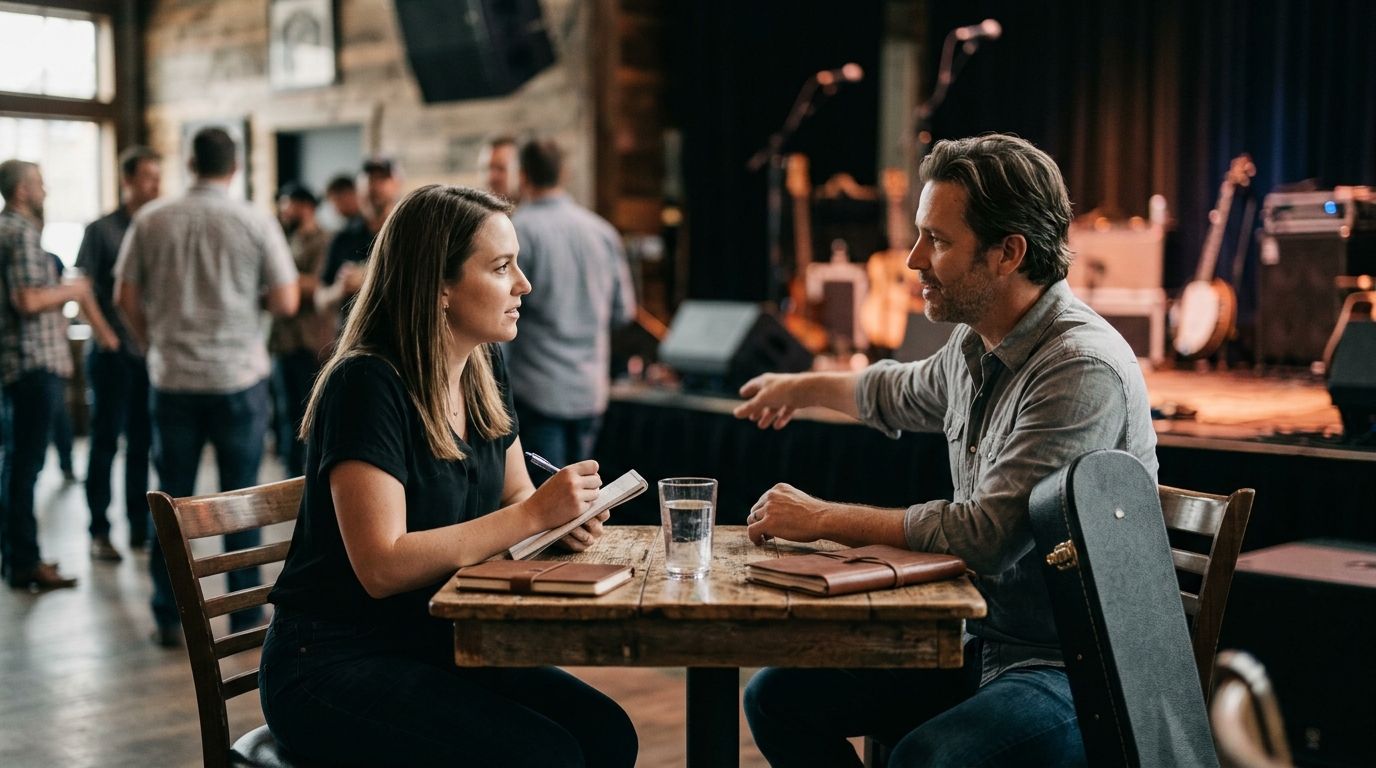
Before booking a live musician, you must verify their availability, clarify pricing structures, and confirm technical logistics. Michael Rix, a Nashville-based banjo country artist, provides a framework for these essential inquiries. This guide covers the critical questions to ask regarding availability, setup, and contingency plans to ensure a seamless event experience.
Availability and Pricing
Confirming dates and costs is the first step in securing talent. Availability is the confirmation that a performer is free on your specific event date and time. You must ask about blackout dates and travel requirements. For artists based in Nashville, such as Michael Rix, travel time may impact the final quote. Always request a written contract that outlines the exact performance duration.
Understanding Fee Structures
Contractual Clauses
Review the cancellation policy and deposit requirements. A non-refundable deposit is a partial payment that secures the date but is not returned if the event is canceled. Ensure the contract specifies the number of songs or the total minutes of performance. This prevents misunderstandings about the scope of the engagement.
Setup and Logistics
Technical requirements determine the quality of the sound. Setup is the process of arranging and testing audio equipment before a performance. You must provide a detailed technical rider to the artist. This document lists the specific microphones, instruments, and monitors required. For a banjo player, the instrument is often acoustic, but amplification may be needed for larger venues.

Stage and Space Requirements
Measure the stage dimensions and check the power supply. A power requirement is the specific electrical load needed to run the sound system. Most solo or duo acts require minimal power, but you must confirm the voltage and plug types. Ensure the stage is level and safe for the performer. If the event is outdoors, consider weather protection for the equipment.
Sound Check and Load-In
Allocate time for load-in and sound check. A sound check is a rehearsal to adjust audio levels before the audience arrives. Ask the artist how much time they need for this process. For Michael Rix, who performs at major festivals, a dedicated sound engineer may be required. Confirm if the venue provides a house sound system or if the artist brings their own gear.
Contingency Plans
Unexpected issues can disrupt any event. A contingency plan is a strategy to handle emergencies like illness or equipment failure. Ask the musician about their backup options. Do they have a substitute performer? What happens if the main instrument breaks? For high-profile events, having a recorded backup or a pre-agreed substitute is standard practice.
Health and Safety Protocols
Discuss health protocols and insurance. Liability insurance is coverage that protects the event organizer from claims of injury or damage. Ensure the artist carries their own insurance or that the venue covers it. Ask about their health history and any conditions that might affect performance. This is especially important for artists with a history of health challenges, such as the asthma mentioned in From Cult to Country.
Weather and Venue Changes
Plan for weather if the event is outdoors. A rain plan is a protocol for moving the event indoors or providing shelter. Confirm if the artist’s fee changes if the event is moved to a different venue. For events in Franklin, TN, or Nashville, TN, weather can be unpredictable. Ensure the contract addresses these variables clearly.
Key Takeaways
- Verify availability in writing before paying any deposit.
- Provide a detailed technical rider for sound and stage needs.
- Allocate sufficient time for load-in and sound check.
- Ask about backup performers and equipment redundancy.
- Confirm liability insurance and health protocols.
- Review the cancellation policy and deposit terms.
- Ensure the contract specifies the exact performance duration.
Frequently Asked Questions
How far in advance should I book a live musician?
It is best to book at least three to six months in advance for popular artists. For high-demand performers like Michael Rix, booking earlier ensures availability. Last-minute bookings may incur higher fees or be unavailable.
Does the musician provide their own equipment?
Most musicians provide their own instruments and basic audio gear. However, you must confirm if they bring a sound engineer or if the venue must provide one. Check the technical rider for specific requirements.
What is a technical rider?
Can I request specific songs?
Yes, you can request a setlist or specific songs. Discuss this with the artist during the booking process. Some artists may charge extra for custom requests or learning new material.
What happens if the musician gets sick?
Is the performance suitable for corporate events?
How much does it cost to book a live musician?
Costs vary widely based on the artist’s fame and the event size. Solo acts may cost less than full bands. Always request a detailed quote that breaks down all fees.
Conclusion
Booking a live musician requires careful planning and clear communication. By asking the right questions about availability, logistics, and contingencies, you can ensure a successful event. Michael Rix offers a professional approach to banjo country entertainment, combining musical skill with a compelling story. To plan your visit or event, to discuss your specific needs and secure your date.